Personality by Design
What if you became the person capable of creating the life you want?
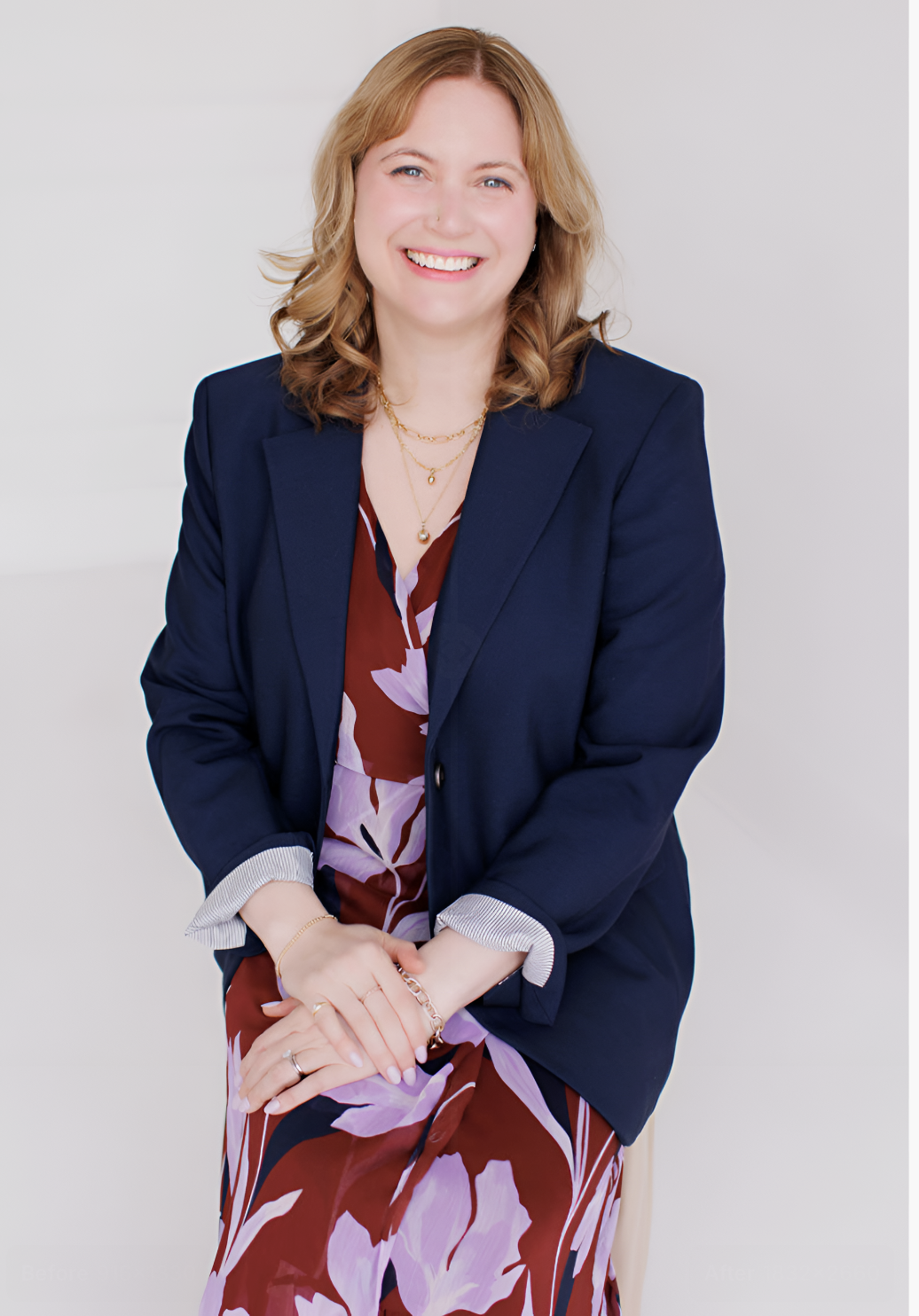
Shannon Sauer-Zavala, PhD, is a clinical psychologist, personality scientist, and Professor at the University of Kentucky studying how people can intentionally change the patterns that shape who they are.
Change Your Personality. Change Your Life.
160+
Scientific Publications
$10M
Research Funding
Professor
University of Kentucky













FORTHCOMING BOOK
What if your personality isn't something you're stuck with, but something you can intentionally shape?
Drawing on decades of personality science and 15+ years of her own research on how people change, Shannon Sauer-Zavala shows readers how to identify the personality patterns standing between them and the lives they want, and how to change them.
The Personality Edit

Coming August 2027 from New Harbinger Publications
Meet Shannon
Psychologist | Personality Scientist | Professor
For more than 15 years, my research has focused on a deceptively simple question: How do people change?
I started by developing more efficient treatments for mental health problems. That work eventually led me to personality: the patterns of thinking, feeling, and behaving that shape not only our mental health, but our relationships, careers, and the lives we build.
Today, I study how we can change those patterns intentionally, and how to translate that science into practical tools people can use in their everyday lives.

You're not just "wired this way." Your personality is a starting point, not a life sentence.
-

Your Starting Point
Most personality tests hand you a four-letter type and stop there. The Personality Compass Assessment is free, takes about ten minutes, and measures where you sit on the Big Five personality traits: openness, conscientiousness, extraversion, agreeableness and neuroticism. You get an honest read on what your current profile is doing for you and what it is costing you, plus where to start if you want to shift it.
-

Shape Your Traits
Personality traits are not fixed. Decades of research show that your traits naturally evolve. Dr. Sauer-Zavala’s work suggests you can speed up that process and steer your traits to be better algined with the life you want. Whether you want to worry less, follow through more, or connect more easily, there is a way in: a 90-minute Personality Action Plan, the ten-week Personality Edit, or one-to-one coaching. All of it runs on the same clinically tested framework.
-

Culture Shift
Your team does not need another color-code workshop. Bring personality science into your organization through a keynote, a workshop where everyone completes the assessment and gets their own trait profile, or a multi-month program that tracks whether the traits driving performance actually moved. Recent partners include the University of Cambridge, TEDx and the Kentucky Women’s Forum.
Personality science is the future of mental health treatment, too
We tend to treat anxiety, depression, borderline personality disorder, and other mental health conditions as separate problems requiring separate solutions. But underneath those diagnostic labels are many of the same personality vulnerabilities.
Instead of treating each diagnosis separately, the COMPASS model targets these shared patterns of thinking, feeling, and behaving directly, with the goal of making treatment more efficient and personalized.

NEW BOOK | August 2026
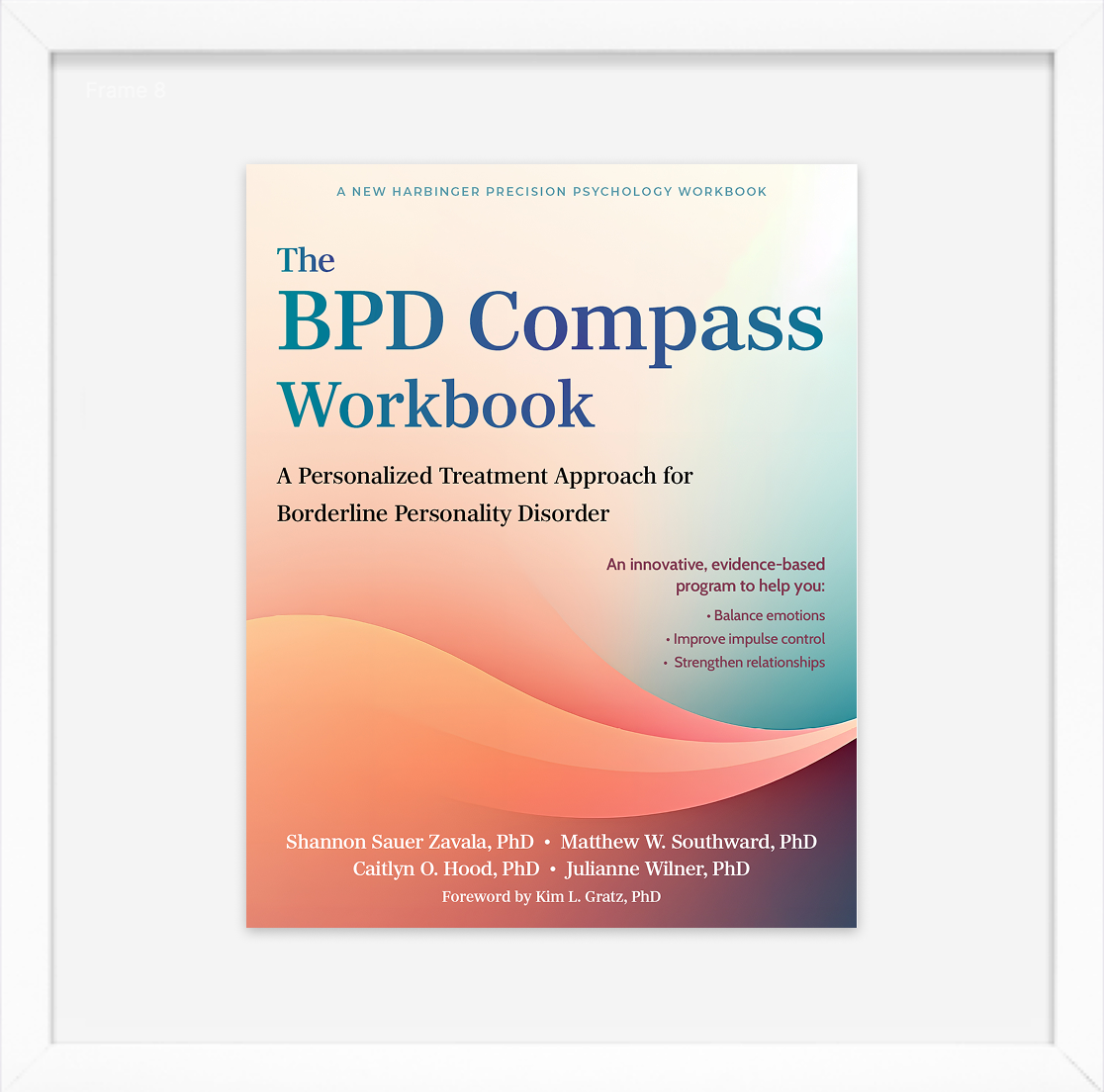
The BPD Compass Workbook
People with BPD who want to understand and change the personality patterns underlying their symptoms, and therapists who want to help their clients do the same.
What the research says about you
Weekly articles that harness the science of personality change to help you build the life you want.